Your practice should run in the room.
You built something good. It shouldn't cost you every evening to keep it standing. Install the operating systems, the team accountability, and the workflows that make a practice more profitable — and less dependent on you.
- Your numbers, visible weekly
- Your team, running the systems
- Your evenings, yours again
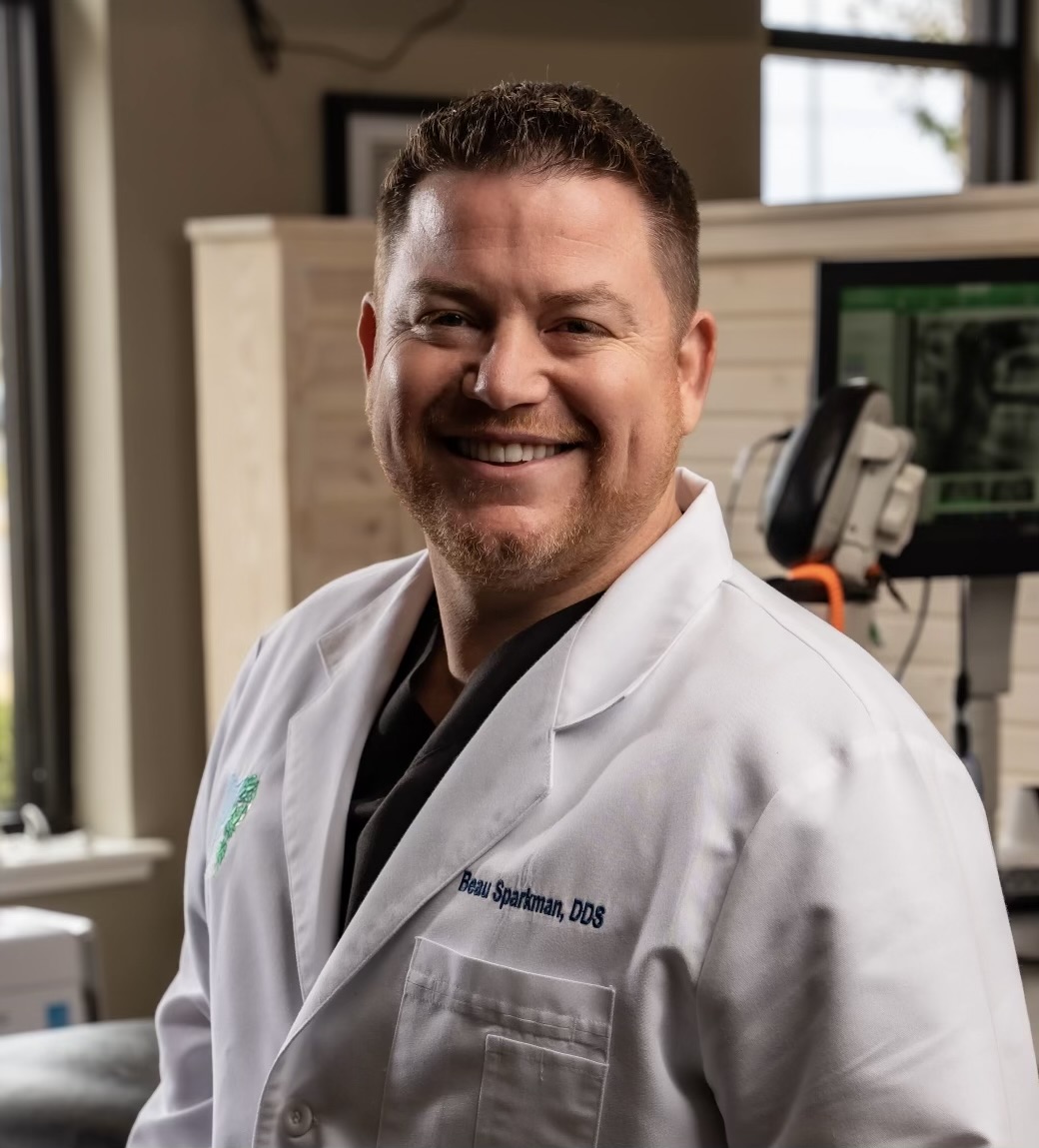
I'm Dr. Beau Sparkman, DDS. I own practices, built the software mine run on, and coach owners through the same install. It's called the Operating Stack.
Live call log from my own practice, Roland OK · 9 months. Your numbers will differ.
You're the most capable person in the building — and the most .
The practice produces. From the outside, it looks like it's working. But every real decision still routes through you, and the moment you step away, things start to wobble — because the practice runs on your memory, not on systems.
It isn't an effort problem. The ADA's own workforce data shows dentists' working hours have climbed over the past decade — and the entire increase is non-clinical time. You didn't add chair time. You added administration.
- A schedule that only holds because you watch it.
- Raises decided by pressure, because there’s no scoreboard.
- Verification eating the week while unscheduled treatment grows in silence.
Information was never the problem. was.
The
Five systems, installed in sequence, that make a practice run without its owner. Most practice advice organizes around the parts of a practice. The Operating Stack is a sequence for transforming one — and every system is enforced by software, so what we install on a call is still running a month later.
Foundation
Your true starting line: what actually depends on you, and numbers you can finally trust.
Control
Stop the bleeding. The scorecard goes live and you see the whole practice weekly — leaks included.
Team
The practice moves off your memory and into your team’s hands, with the language and accountability to match.
Growth
Only now do the machines take the busywork: phones answered, verification automated, the revenue engine on.
Scale
The practice passes the “runs a week without you” test. Then you choose what more means.
AI runs through every system — as the enforcement layer, not the headline.
Three steps.
Nothing reaches your practice
Nine months of my own call-log data, showing what an AI front desk catches while the office is closed. Every number is pulled straight from the log, not a projection — and it's the same system you'd be installing.
After-hours calls answered
Nights, Fridays, and weekends — calls that used to hit voicemail
Friday calls captured
The office is closed Fridays. The phone rings anyway.
After-hours calls per month
Without adding a single staff member
Real conversations, 60 seconds+
Excludes hang-ups and misdials
Source: live call log from my practice in Roland, OK, Oct 2025 – Jul 2026 (9.7 months). 'Answered' means the AI picked up and engaged the caller. Single-office data — your results will differ.

Find your
Twenty-two quick reads across the five systems that make a dental practice independent of its owner. See the one system holding you back and the sequence to fix it.
Built for my practices.
CareIN answers my phones. Bridge verifies my insurance. Bridge Academy trains my team. They aren't the program — they're what makes the program hold. If your roadmap reaches the Growth system, the software enters at its own price. And if it doesn't, you'll never hear a pitch.
You don't need another guru. You need someone still working in an operatory.
I'm Dr. Beau Sparkman, DDS. I own practices and coach owners across the country, and I hit the same walls you're hitting: busywork that multiplied, verification that broke, a team that wasn't sure how to use the tools in front of them.
So I built what was missing — software to automate the back office, an academy to get my team fluent in AI, and a voice agent to answer the phones. Every piece runs in my own practice before I'd ever put it in yours.
But none of that is really the point. The point is the practice you get to hand off, the team that runs it without you, and the evenings you stop giving away. I'm just the one who's already walked it.
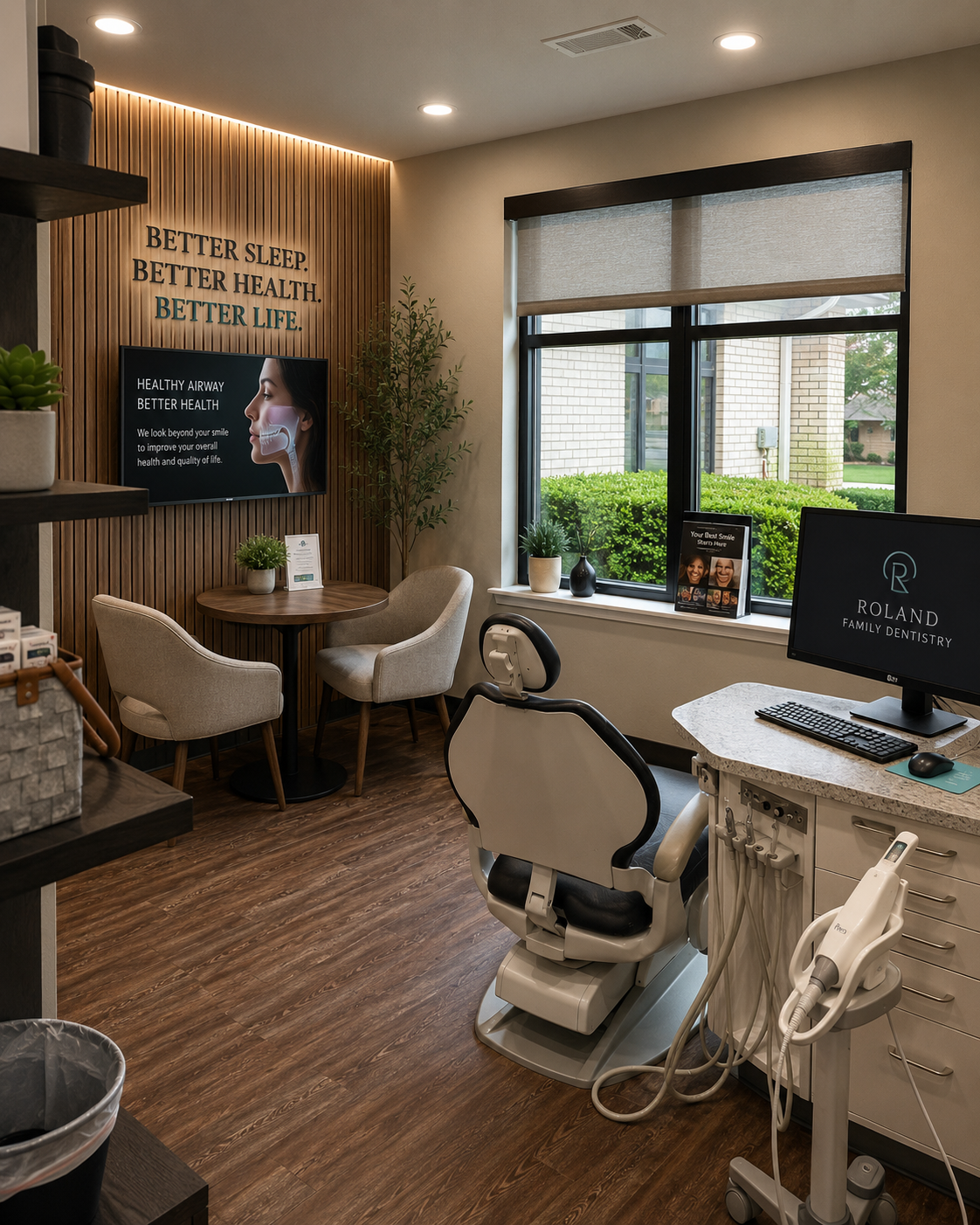
This is what a practice that runs itself feels like.
Calm rooms, unhurried care, a team that isn't drowning. Not because I'm superhuman — because the systems underneath are doing the heavy lifting. It's the same setup you'd be installing.
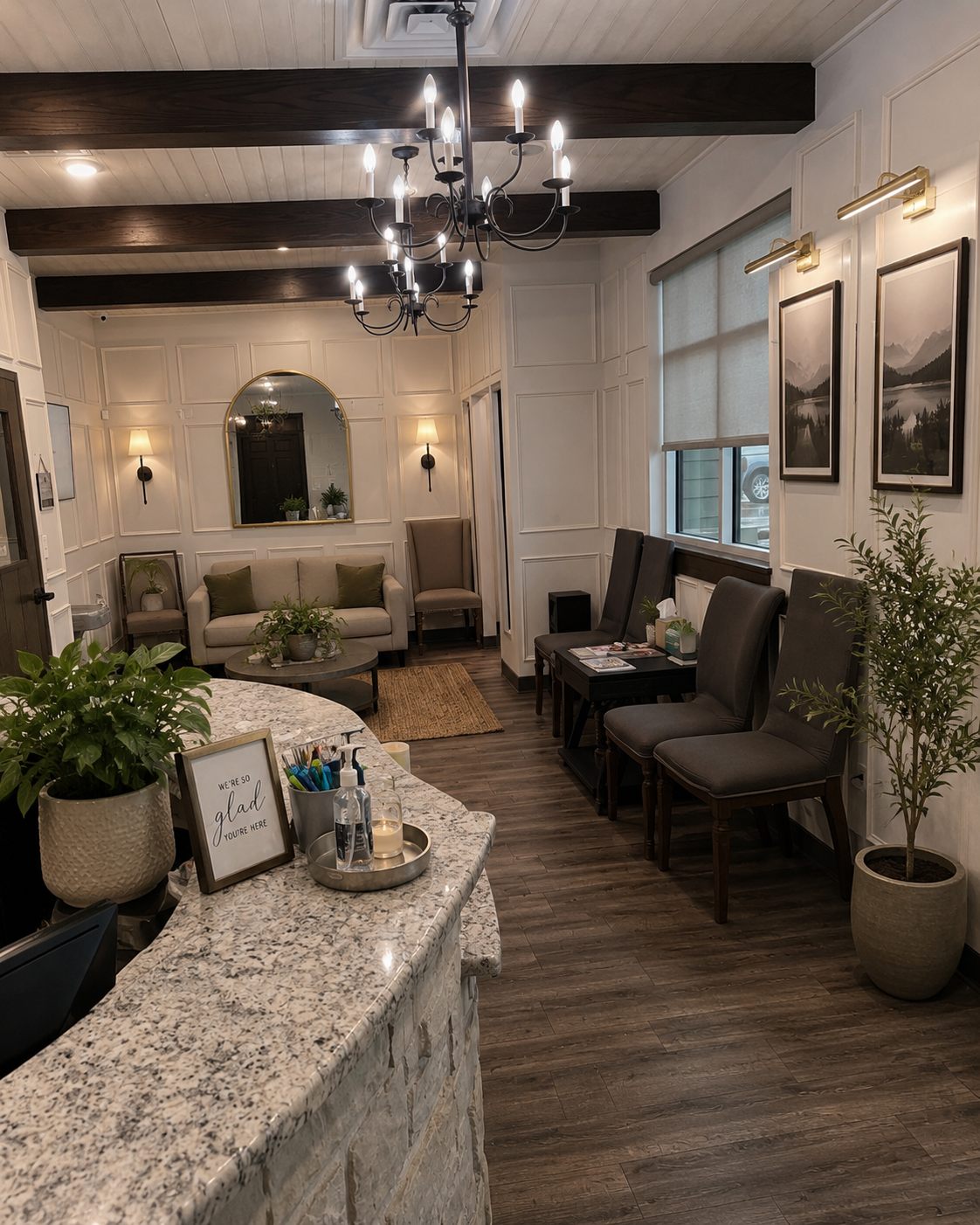
The welcome
Patients relax before they ever sit down.
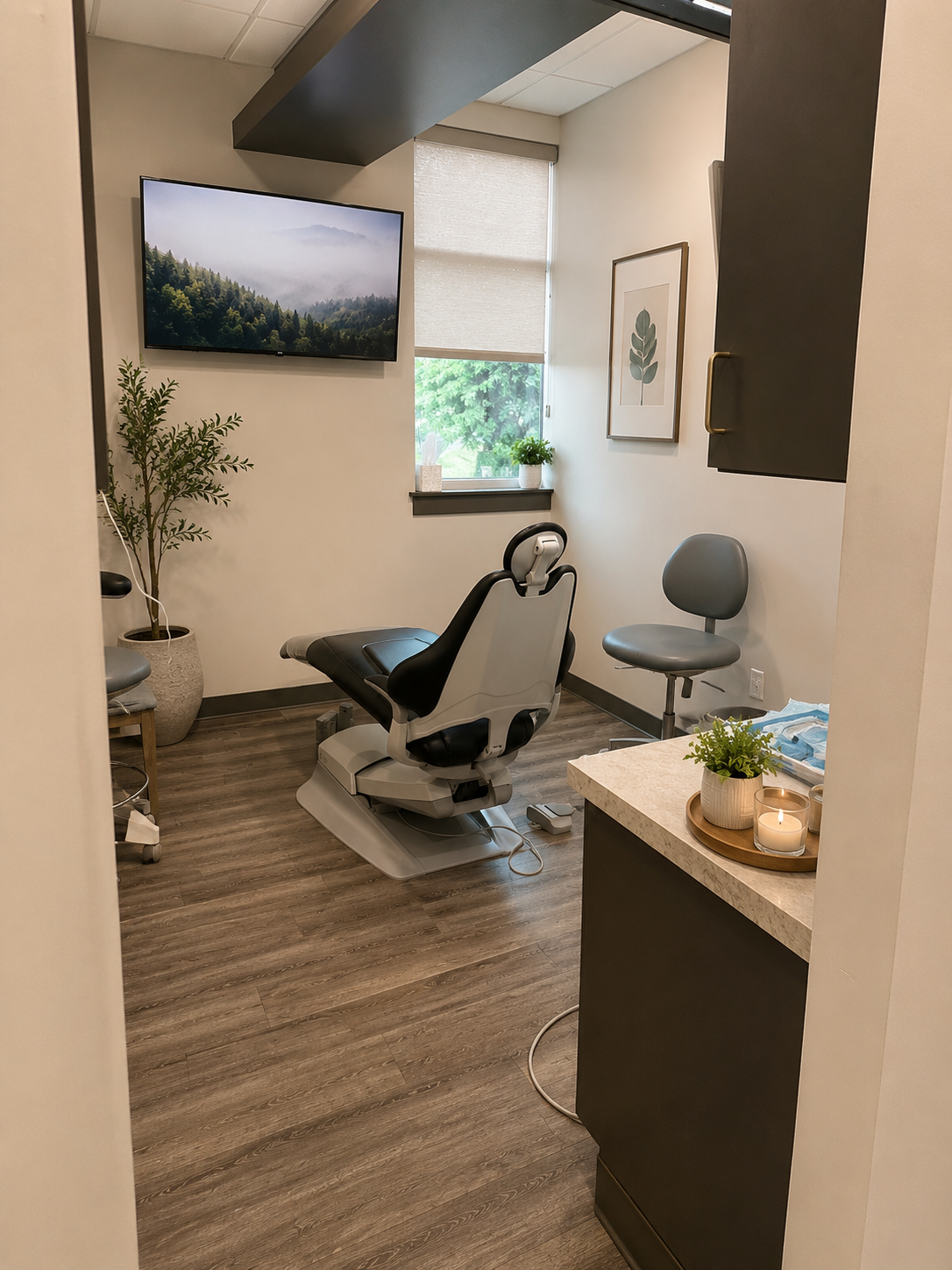
The chair
Unhurried care, because the front desk runs itself.
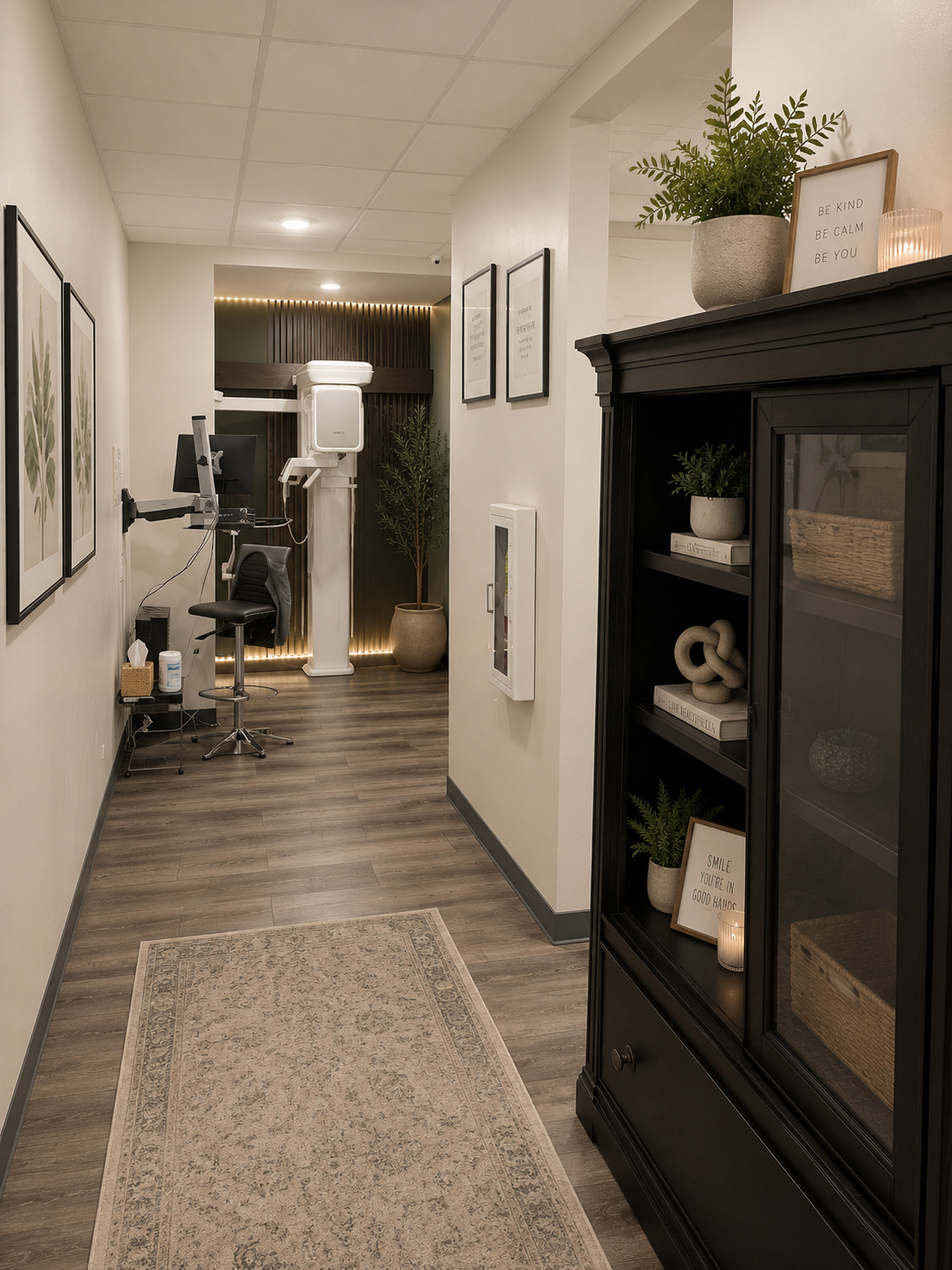
Behind the scenes
The quiet operation that makes the calm possible.
Asked before
What does coaching cost, and how is it structured?
The audit is $3,000, refundable in full against the program. The flagship is a 12-month install: four 90-day quarters, two sessions a month — one working session, one accountability check-in — in a small capped cohort. We’ll walk the numbers on the strategy call.
Do I have to buy your software?
No. Coaching diagnoses; software installs — and only when your roadmap reaches it, priced on its own. If your constraint is team or controls, we fix that first, and the phones can wait.
I’m already in a coaching group. Does this conflict?
No. Most programs are organized by the areas of a practice, and many are excellent. The Operating Stack adds two things: the install sequence, and software enforcement so the systems hold between meetings.
How much of my time does this take?
Two sessions a month, plus what your 90-day plan assigns — most of which lands on your team, on purpose. The scorecard populates itself.
What if the audit says my practice is in good shape?
Then the report says exactly that, and you just saved yourself a year of coaching you didn’t need. The audit has to be worth its price standing alone, or I’ll tell you not to hire me.
What would you do with
Book a strategy call and you'll leave knowing the one system that pays for itself first in your practice — or take the playbook and install it yourself. No pressure either way.

Not ready to book? Get the free playbook.
The exact systems running in a real practice today, laid out so you can install them — no spam, unsubscribe anytime.